| エステ検索カテゴリー別 |
閉店しました |
||||||
閉店の可能性あり |
営時12:00〜翌2:00 | 一般エステ 韓国人 |
||||
閉店しました |
||||||
閉店の可能性あり |
営時12:00〜翌5:00 | 整体院 中香台 |
||||
閉店しました |
||||||
閉店の可能性あり |
営時12:00〜翌3:00 | 一般エステ 中香台 |
||||
閉店しました |
||||||
| 営時14:00〜翌5:00 | 一般エステ 中香台 |
|||||
| エステ検索カテゴリー別 |
閉店しました
|
||||||
閉店の可能性あり |
場所東京➠練馬駅 |
営時12:00〜翌2:00 | 施術韓国式リンパアカスリ |
一般エステ 韓国人 |
||
閉店しました
|
||||||
閉店の可能性あり |
場所東京➠練馬駅南口 |
営時12:00〜翌5:00 | 施術エステ |
整体院 中香台 |
||
閉店しました
|
||||||
閉店の可能性あり |
場所東京➠練馬駅北口 |
営時12:00〜翌3:00 | 施術エステ |
一般エステ 中香台 |
||
閉店しました
|
||||||
場所東京➠練馬駅西口 |
営時14:00〜翌5:00 | 施術エステ |
一般エステ 中香台 |
|||

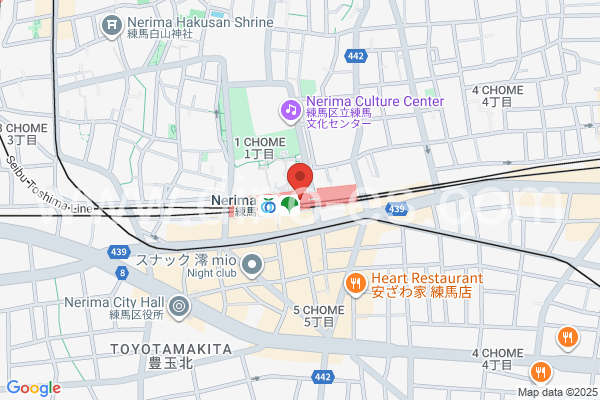
練馬駅は1915年に西武池袋線の開通とともに設置され、当時は下練馬村という地域に位置していました。鉄道の開通によって、周辺の市街地は急速に発展し、現在では練馬区の中心的な駅の一つとして多くの人々に利用されています。
マッサージ・リラクゼーション業界の背景
日本のマッサージやリラクゼーションの起源は、江戸時代まで遡ります。この時期に視覚障がい者によって行われた按摩(あんま)や、杉山和一による鍼治導引法などが確立され、職業として定着しました。
その後、明治時代に西洋医学が導入され、フランスから伝わったマッサージ技術が日本の治療法にも影響を与えました。また、日本独自の技術である指圧は1912年に浪越徳次郎によって体系化され、現在のリラクゼーション技術の基礎となっています。
現代のリラクゼーションサロンでは、アロママッサージ、リフレクソロジー、タイマッサージなど様々な施術が提供されており、多くの人々が心と体の癒しを求めて利用しています。特に練馬のような交通の便が良いエリアでは、ビジネスマンや地元住民を対象としたスパ・エステ施設も増加しています。
History of Nerima Station
Nerima Station, located in Tokyo’s Nerima Ward, opened in 1915 as part of the Seibu Ikebukuro Line. Originally situated in what was then known as Shimo-Nerima Village, the station played a significant role in developing the surrounding area. Over the decades, it evolved into a major transportation hub, now serving not only the Seibu line but also the Tokyo Metro Yurakucho Line, Fukutoshin Line, and Toei Oedo Line. Its development helped transform Nerima into a bustling urban district.
Background of the Spa & Massage Industry
Japan’s massage and relaxation industry has deep historical roots, dating back to the Edo period. Traditional techniques such as anma (a type of massage performed by visually impaired practitioners) and shiatsu (pressure-point therapy) were established during this time. In fact, shiatsu was systematized in the early 20th century by Tokujiro Namikoshi and is now a cornerstone of modern Japanese massage.
With the introduction of Western medicine during the Meiji era, Western-style massage techniques (especially from France) also began to influence Japanese methods. Over time, this led to a diverse and evolving relaxation culture.
In modern times, Japan offers a wide variety of massages—aroma therapy, reflexology, Thai massage, body care, and more—all catering to physical health, mental relaxation, and stress relief. In busy urban areas like Nerima, spas and esthetic salons thrive due to high demand from working professionals and locals seeking convenient and high-quality wellness services